Welcome to our Learning Hub
Empower Your Curiosity
Insights, Stories, and Tips for the Inquisitive Mind
Our Story and Mission
Our journey began in the vibrant world of creative arts, a path that has not only shaped us as artists but as leaders, educators, and advocates. Through the arts, we discovered powerful skills — creativity, communication, resilience — that transcend the studio and stage, enriching our lives in education, business, and community leadership. Inspired by our own transformation, we're dedicated to unlocking this potential in others. Our mission is to guide individuals in exploring their creative talents, developing their personal and professional skills, and empowering them to lead and inspire in all aspects of their lives.
Our ethos is simple – everyone has a story to tell, a song to sing, or a dance to share. We believe in the transformative power of the arts to enrich lives and communities. By making arts accessible to all, we aim to foster confidence, creativity, and a sense of belonging.
So, dive in! Explore, learn, and let us know if there's something specific you're curious about. We're here to help, one post at a time.
Why Mistakes Matter
What 'Getting It Wrong' Can Teach Us
What if the mistake isn’t actually the problem?
Most of us don’t particularly enjoy getting things wrong.
We might worry about looking silly.
Getting the wrong answer.
Singing the wrong note.
Saying the wrong thing.
Or being the person who has to put their hand up and say:
“Yep. That was me.”
But mistakes matter.
Not despite the fact they can feel uncomfortable.
Because of it.
They are part of how we learn, how we grow and, perhaps most importantly, how we become more confident being ourselves.
Mistakes are part of what makes us human

We sometimes talk about loving people despite their faults, quirks and mistakes.
But perhaps those things aren’t something we need to overlook.
They are part of the person.
Imagine a journey where absolutely nothing went wrong.
No wrong turns.
No unexpected diversions.
No moments where you had to stop, rethink something and try another way.
It might be easier.
But it probably wouldn’t be nearly as interesting.
Our mistakes become part of our story.
Some are tiny.
Some take more work to come back from.
But very often, what matters most isn’t the mistake itself.
It’s what happens next.
Being afraid of mistakes can stop us learning
There’s an interesting problem with trying desperately not to get something wrong.
It uses an enormous amount of energy.
Imagine a young person sitting in a learning session thinking:
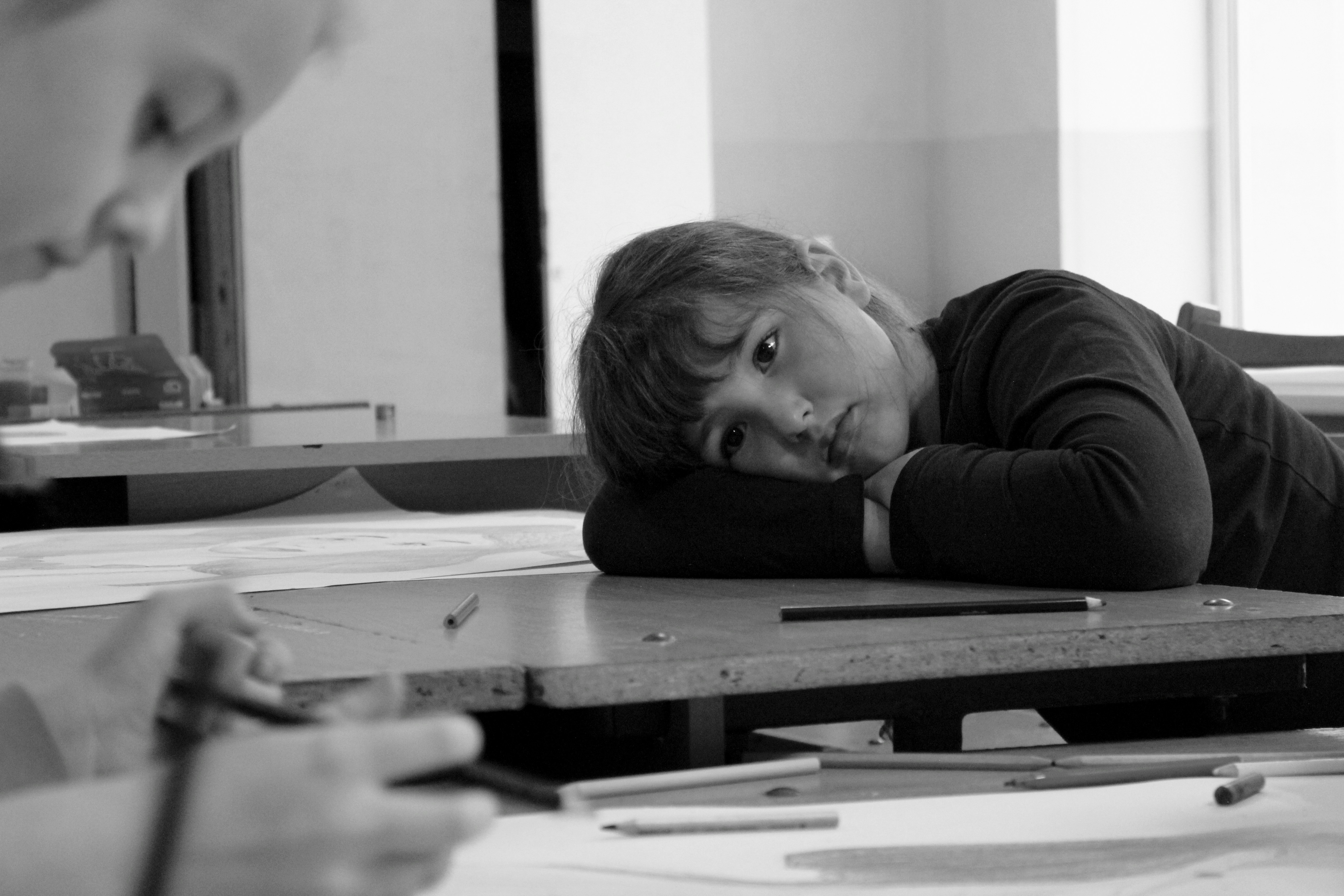
Have I understood the social cues?
Is this the right answer?
Am I using the right words?
Have I spelt that correctly?
Am I doing this the way everyone else is?
That is a lot to carry.
And while all that energy is being spent trying not to make a mistake, there is less space left for curiosity, experimenting and actually learning.
Sometimes the moment someone finally thinks
“I’m just going to have a go.”
is the moment everything changes.
Why making mistakes matters when you are learning to sing
We see the same thing in voice sessions.
If you are exploring a new vocal sound or quality, it may feel unfamiliar.
Your voice might make a sound you weren’t expecting.
Something might feel different.
And your brain can immediately say:
Nope. Stop. That must be wrong.
So you pull back.
But if your voice teacher never gets to hear what happens when you explore that sound, there is much less information to work with.
Sometimes we need the slightly strange noise.
The cracked note.
The sound that didn’t quite go where you expected.
Because it tells us something.
You could think of a mistake as a signpost.
It doesn’t say:
You’ve failed.
It says:
Here’s some information. What shall we try next?
Fear of getting things wrong can build walls
The more worried we become about making mistakes, the easier it is to start protecting ourselves.

We try less.
We hold back.
We avoid the thing that feels uncertain.
And gradually those protective walls can get higher.
That is why simply saying “just make mistakes” isn’t always enough.
Sometimes someone needs another route in.
They might need smaller steps.
More support.
A different activity.
Or a chance to experience success somewhere else first.
Once you know
“I can do this.”
trying the thing that might go wrong suddenly feels much safer.
Confidence doesn’t always come from throwing someone straight into the deep end.
Sometimes you build the steps that help them get into the water.
Is there always a ‘right’ way?
Mistakes also raise another interesting question.
Who decided what the right way was?
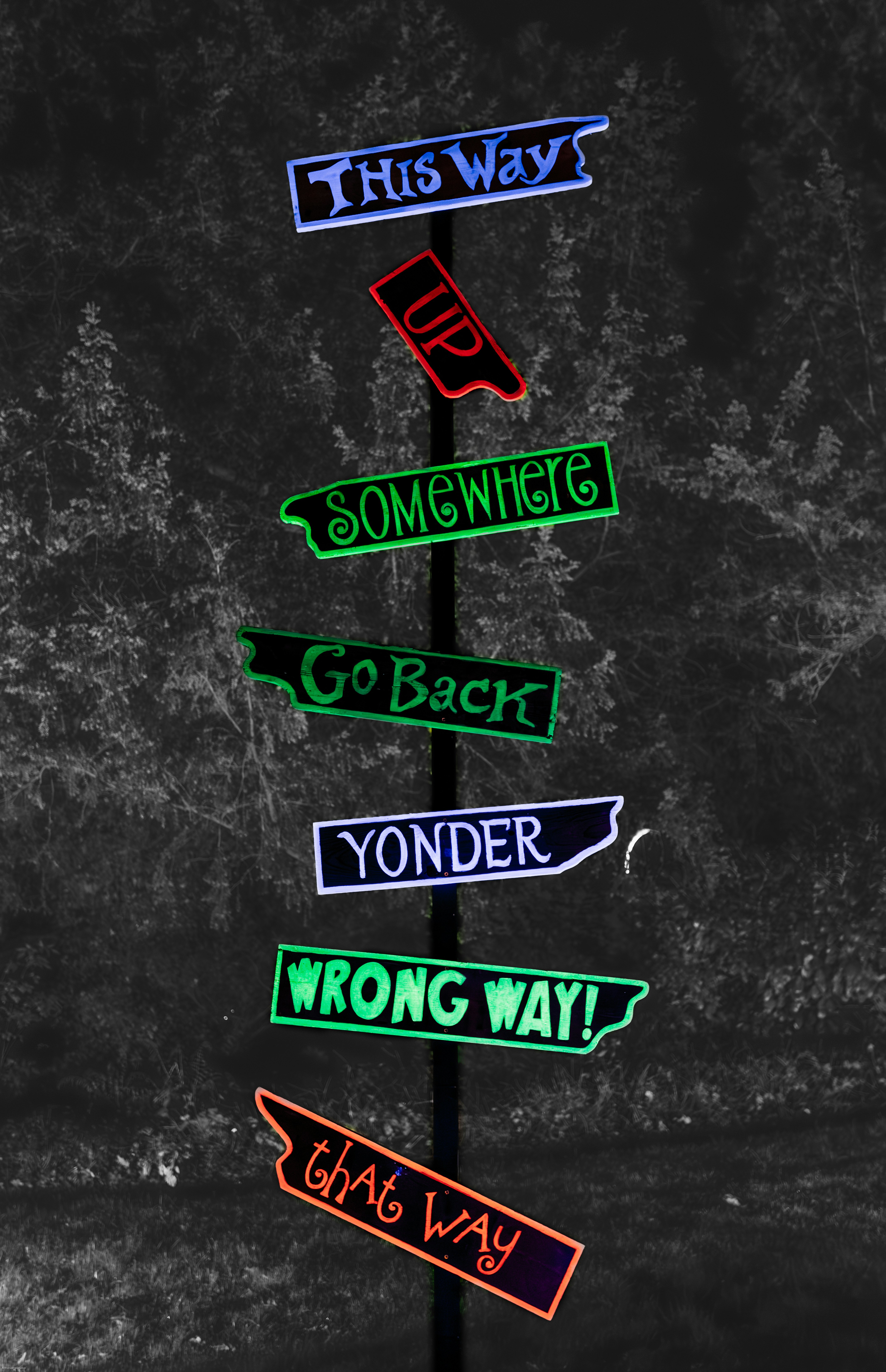
Of course, sometimes there genuinely is a correct answer.
But in creative work particularly, exploring the supposedly “wrong” option can take you somewhere far more interesting.
We saw exactly that recently during an art session.
Something happened that wasn’t what the student had originally intended.
Technically, you could have called it a mistake.
But instead of immediately fixing it, we looked at what had happened.
And suddenly:
“Oh! It does this.”
Then:
“What happens if I try this?”
And then something else.
The mistake opened a door.
A student who had previously been worried about doing things correctly was now experimenting, laughing and playing.
And from that unexpected starting point, they created something they genuinely liked - and could explain why they liked it.
That is learning.
Not because everything went perfectly.
Because it didn’t.
Creativity needs room for things to go wrong
If every creative decision had to be correct before we tried it, very little would ever get created.

Art needs experiments.
Drama needs choices.
Music needs unusual sounds.
Ideas need room to become something different from what we originally imagined.
Mistakes give us information we didn’t have before.
Sometimes that information tells us:
Don’t do that again.
Useful.
Sometimes it says:
That nearly worked. Try changing this bit.
Also useful.
And occasionally it says:
Hang on… that’s much more interesting than what I was trying to do.
Very useful.
Owning a mistake can be more powerful than avoiding one
There is another part of making mistakes that matters just as much.
Owning them.
Recently, something had simply been left out of a piece of work.
It could have become a whole thing.
Instead, it was:
“Yep. My mistake. I left it out.”
The response?
Essentially:
“No problem. Put it back in and let’s carry on.”
Done.
Often, the mistake isn’t what creates the problem.
It’s the energy we put into hiding it, defending it or pretending it didn’t happen.
Being able to say “I got that wrong" can actually be incredibly freeing.
Because once you have acknowledged it, you can do something about it.
What can we learn from making mistakes?
Perhaps the useful question isn’t:
“How do I stop making mistakes?”
It might be:
“How do I become more comfortable learning from them?”
That could mean giving yourself permission to try something before you know exactly how it will turn out.
It could mean noticing how much energy you spend trying to get everything right.
Or it might simply mean practising four surprisingly powerful words:
“I got it wrong.”
Then asking:
“What have I learnt?”
Because confidence isn’t necessarily knowing you will get everything right.
Sometimes confidence is knowing that if you get something wrong, you’ll be able to work out what to do next.
The mistake doesn’t define the story
Learning is rarely neat.
Neither is creativity.
Neither is being human.
That's one of the reasons we make room for mistakes at BHVA.
There will be wrong notes.
Wrong turns.
Ideas that don’t work.
And things that go completely off-piste.
But those moments don’t have to be the end of the story.
Sometimes they are the bit that takes you somewhere new.
So maybe the next time something goes wrong, rather than immediately asking:
“How did I mess that up?”
try asking:
“What has this just taught me?”
Try it next time something doesn't go to plan.
You might just be surprised where the answer takes you.
Breaking barriers. Building confidence.
Your Journey. Your Story.
Sign Up to BHVA Insights
Catch the latest on events, offers, and fresh ideas.
All delivered to your inbox every fortnight.



Beccy Hurrell Voice & Arts Limited is registered in England. Company No: 13263202. Registered office: 10 Kirby Street, Kettering, NN15 5GR