Welcome to our Learning Hub
Empower Your Curiosity
Insights, Stories, and Tips for the Inquisitive Mind
Our Story and Mission
Our journey began in the vibrant world of creative arts, a path that has not only shaped us as artists but as leaders, educators, and advocates. Through the arts, we discovered powerful skills — creativity, communication, resilience — that transcend the studio and stage, enriching our lives in education, business, and community leadership. Inspired by our own transformation, we're dedicated to unlocking this potential in others. Our mission is to guide individuals in exploring their creative talents, developing their personal and professional skills, and empowering them to lead and inspire in all aspects of their lives.
Our ethos is simple – everyone has a story to tell, a song to sing, or a dance to share. We believe in the transformative power of the arts to enrich lives and communities. By making arts accessible to all, we aim to foster confidence, creativity, and a sense of belonging.
So, dive in! Explore, learn, and let us know if there's something specific you're curious about. We're here to help, one post at a time.
Why being bored matters!

Being bored can feel uncomfortable.
Really uncomfortable.
If you have ever heard “I’m bored” and immediately started suggesting things to do, you are definitely not alone.
That moment when there is nothing planned.
Nothing obvious to do.
Nothing instantly entertaining you.
And usually, our first instinct is to fix it.
Pick up a phone.
Put something on.
Find an activity.
Fill the space.
But what if boredom is not actually the problem?
What if sometimes, boredom is where something really useful begins?
Boredom can be the start of creativity
When somebody says, “I’m bored”, they have reached an interesting point.
There is a gap.
And now they have to decide what happens next.
That might mean finding something to make.
Inventing a game.
Building something.
Drawing.
Writing.
Cooking.
Moving furniture around to create a den that takes over the entire lounge for two weeks.
It might be brilliant.
It might be ridiculous.
It might make an enormous mess.
But something has happened.
An idea has appeared.
And that is often where creativity starts.
Not with somebody telling you exactly what to do.
But with enough space to wonder:
What could I do?
Being bored helps us learn to solve problems
Boredom is not only about creativity.
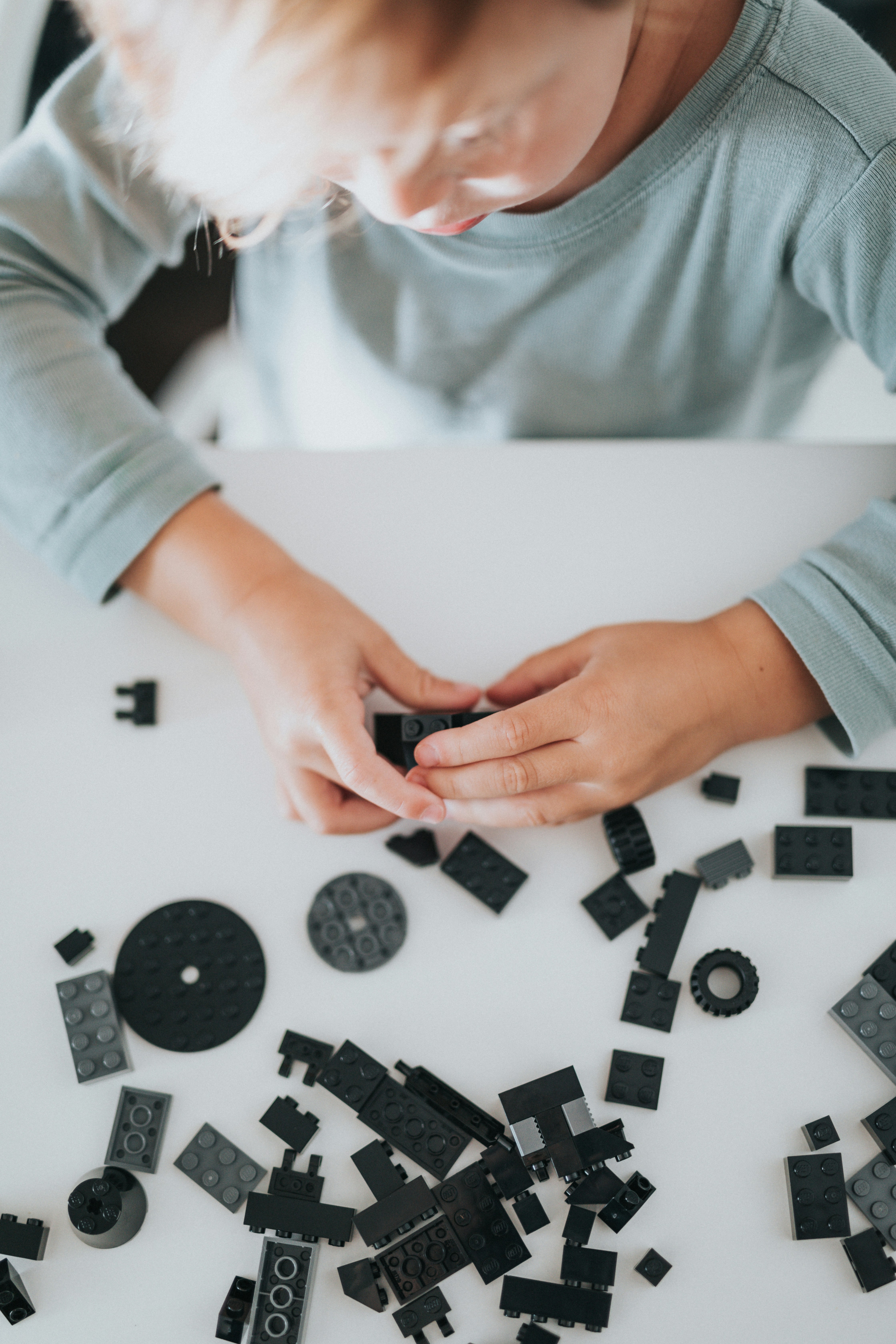
It can also give us a chance to practise problem-solving.
Because boredom itself is a small problem.
You have a feeling you do not particularly enjoy.
And you need to decide what to do with it.
That means noticing the feeling.
Sitting with it for a moment.
Thinking of options.
Choosing something.
And sometimes being brave enough to try something when you have absolutely no idea how it will turn out.
Those are useful skills.
And they do not only belong in creative activities.
They are the same sorts of skills we use when something goes wrong, when plans change, when we have to work something out or when we need to try again.
Why it is so easy to avoid boredom
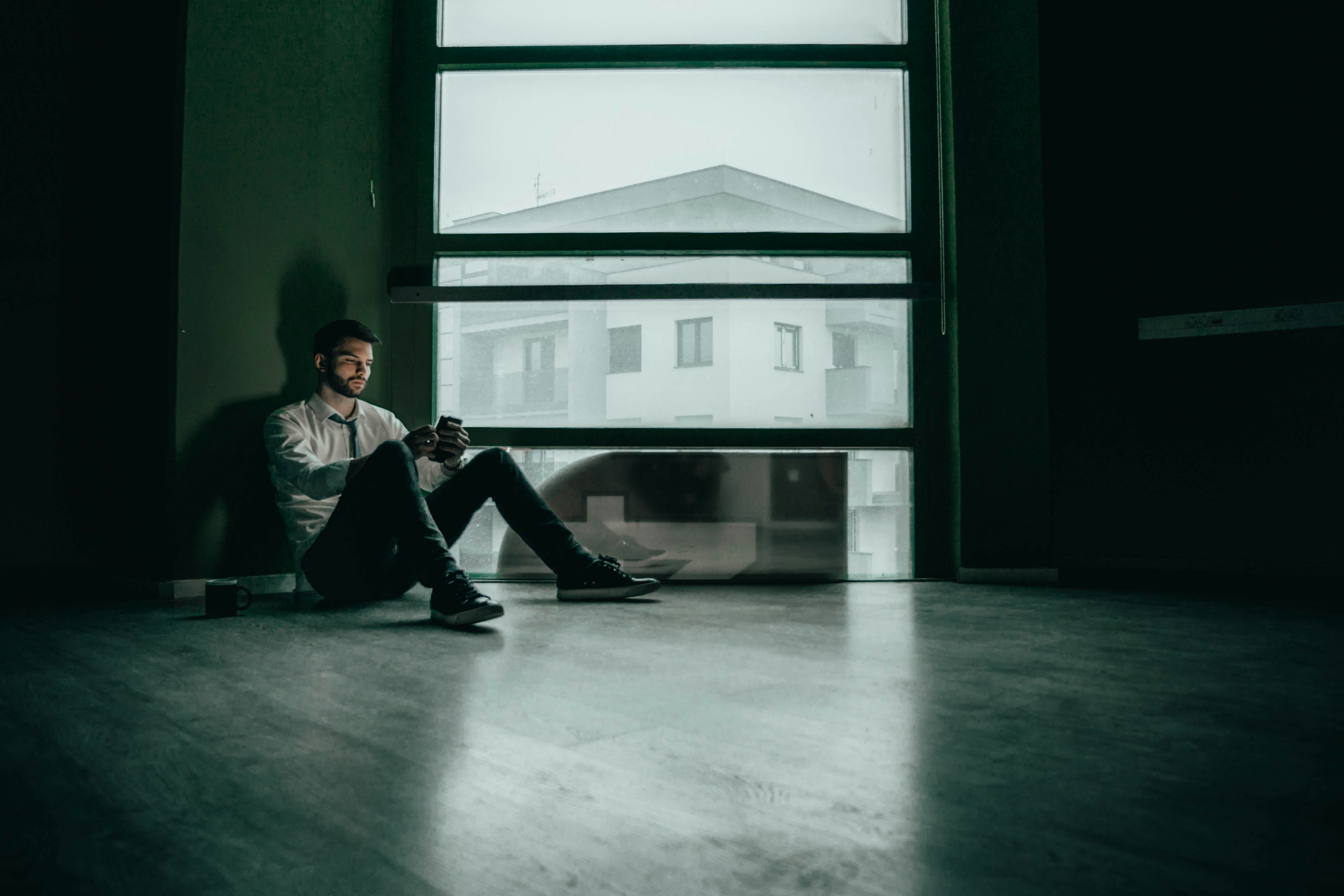
We live in a world where boredom is very easy to escape.
There is almost always something available immediately.
A video.
A game.
A notification.
Something to scroll through.
And there is nothing inherently wrong with any of those things.
The interesting bit is what happens when they become our automatic answer to every empty moment.
Because if every gap gets filled for us, we rarely have to decide how to fill it ourselves.
And that decision-making is part of the learning.
Why unstructured play matters for creativity
Sometimes it feels that play needs to be productive.
There should be an activity.
A learning outcome.
A correct way of using something.
But some of the best play happens when you do not decide in advance what it should become.
A wooden rainbow does not have to stay a rainbow.
It can become a bridge.
A tower.
An instrument.
Part of a fortress.
Something completely different tomorrow.
And there is a lot happening in that kind of play.
Experimenting.
Testing.
Imagining.
Adapting.
Working things out.
Creating something that belongs to you.
That last bit matters.
Because when there is not one correct answer, you get to discover your own ideas, your own preferences and your own way of doing things.
Creativity needs some empty space
This can feel slightly backwards.
It is easy to think creativity needs more.
More resources.
More activities.
More inspiration.
More input.
Sometimes it actually needs less.
Less structure.
Less instruction.
Less pressure to reach a particular result.
Because if the answer has already been given to you, there is less left to discover.
Boredom can help build independence
There is another part of boredom that we sometimes overlook.
Independence.
If someone else always provides the entertainment, the idea, the solution or the next step, you do not get as many chances to practise finding those things for yourself.
Sometimes the most helpful response to:
“I’m bored.”
might not be to immediately offer five activities.
It might simply be:
“Okay. What are you going to do?”
That does not mean leaving somebody unsupported.
It means giving them enough space to begin looking for their own answer.
And over time, that can help build confidence in their ability to work things out.
We do not have to fill every moment
This can be difficult for adults too.
If you are a parent, it can feel like you should always have something ready to keep everyone entertained.
If you are teaching or supporting someone, it can feel like every minute needs to have a plan.
And even for ourselves, an empty afternoon or weekend can feel strangely uncomfortable.
But perhaps you do not always need to rush in and fill the gap.
A bit of empty space does not automatically mean something is missing.
Sometimes that space gives someone the chance to decide what happens next for themselves.
That might be where an idea starts.
A new interest.
A conversation.
A game.
A recipe.
A piece of music.
Or something nobody had planned at all.
What can you do when someone says "I'm bored"?
If boredom appears, you do not always have to fix it immediately.
You could try:
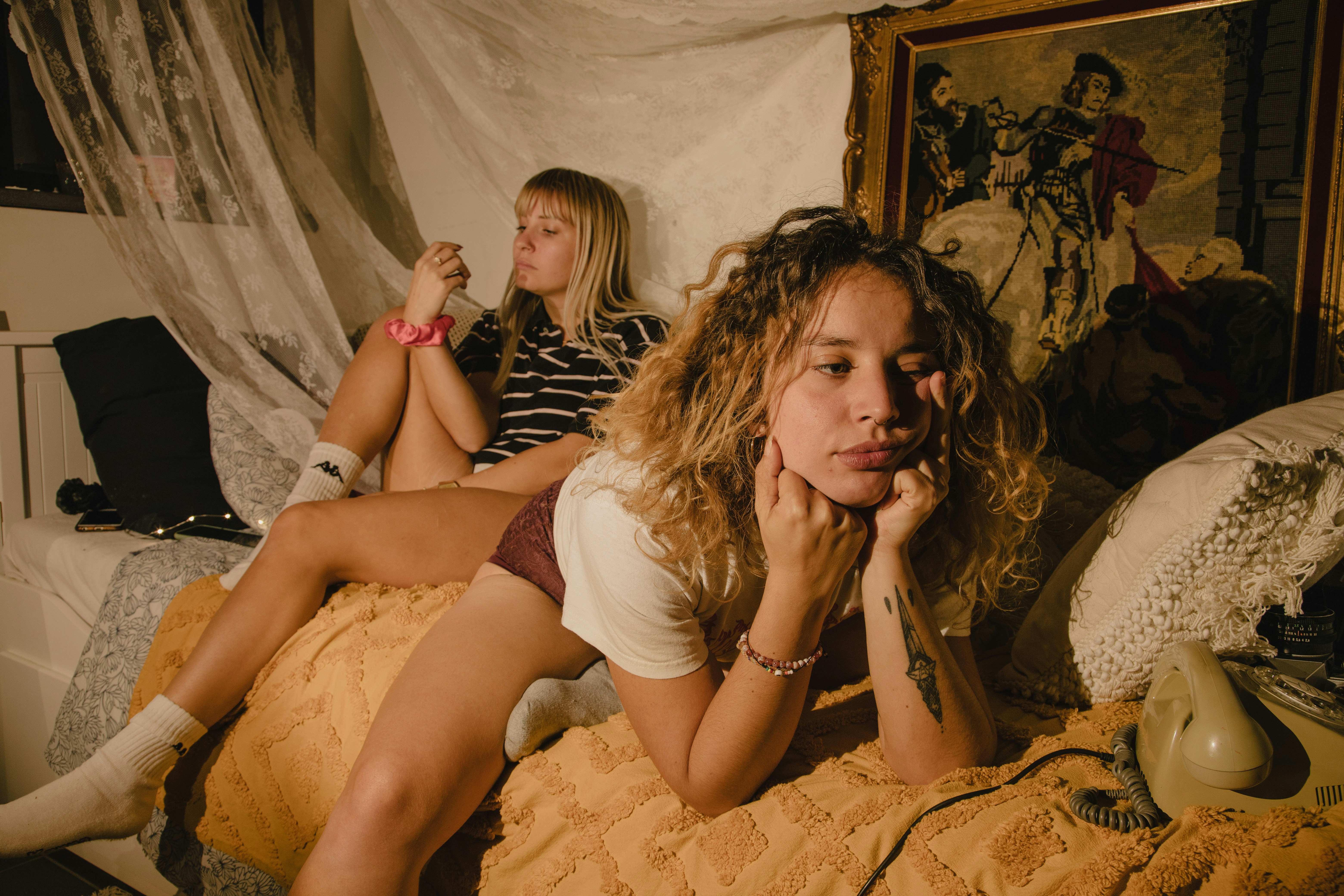
Leaving a little space.
Before suggesting something to do, see what happens.
Letting the outcome be unknown.
Not every activity needs a finished product or a correct answer.
Allowing a bit of mess.
Creative exploration is rarely tidy.
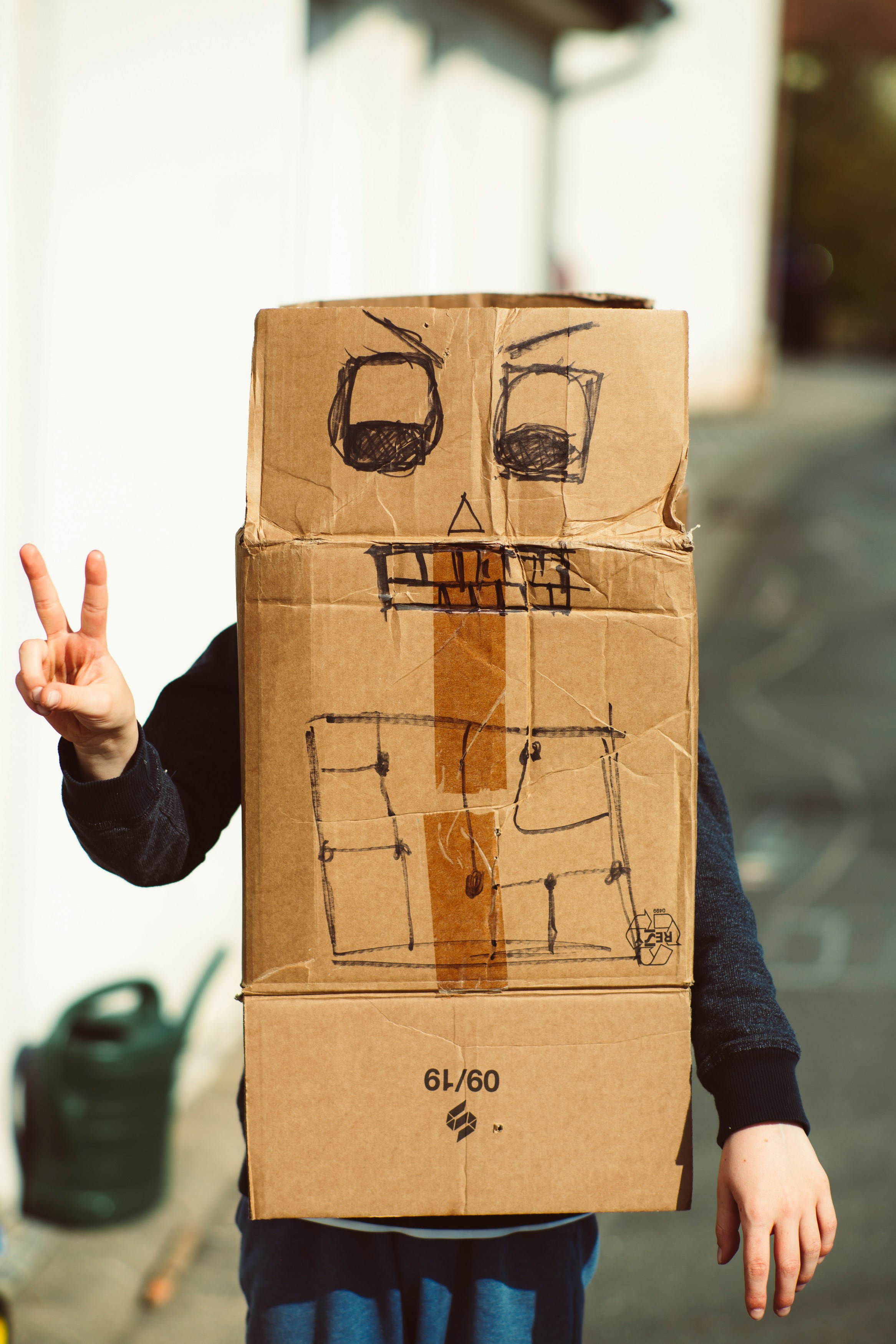
Sometimes the den, the cardboard creation or the half-finished experiment is part of the process.
The aim is not to make anyone bored on purpose all day.
It is simply to recognise that boredom has value.
Maybe boredom is the opportunity
Boredom can feel frustrating.
It can feel uncomfortable.
It can definitely lead to some interesting decisions.
But it can also give us something we do not always get enough of.
Space.
Space to think.
Space to play.
Space to solve problems.
Space to discover what happens when nobody has already decided what should happen next.
So if you have no plans this weekend, perhaps that is not a problem to solve.
Maybe leave a little room for boredom.
And see what happens.
Want to hear us explore this a little more?
Beccy and Lindsey talk about boredom, creativity, play and why sometimes the best ideas happen when nothing has been planned in our latest vlog, 'Why Being Bored Matters.'
Breaking Barriers. Building Confidence.
Your Journey. Your Story.

Sign Up to BHVA Insights
Catch the latest on events, offers, and fresh ideas.
All delivered to your inbox every fortnight.














Beccy Hurrell Voice & Arts Limited is registered in England. Company No: 13263202. Registered office: 10 Kirby Street, Kettering, NN15 5GR