Welcome to our Learning Hub
Empower Your Curiosity
Insights, Stories, and Tips for the Inquisitive Mind
Our Story and Mission
Our journey began in the vibrant world of creative arts, a path that has not only shaped us as artists but as leaders, educators, and advocates. Through the arts, we discovered powerful skills — creativity, communication, resilience — that transcend the studio and stage, enriching our lives in education, business, and community leadership. Inspired by our own transformation, we're dedicated to unlocking this potential in others. Our mission is to guide individuals in exploring their creative talents, developing their personal and professional skills, and empowering them to lead and inspire in all aspects of their lives.
Our ethos is simple – everyone has a story to tell, a song to sing, or a dance to share. We believe in the transformative power of the arts to enrich lives and communities. By making arts accessible to all, we aim to foster confidence, creativity, and a sense of belonging.
So, dive in! Explore, learn, and let us know if there's something specific you're curious about. We're here to help, one post at a time.
Does "I don't care" really mean "I don't care"? (Understanding Teen Behaviour)

You've probably heard this before:
“I don’t care.”
“Do what you want.”
“It doesn’t matter.”
And it’s easy to take it at face value.
They’re being rude.
They’ve got attitude.
They’re not interested.
But…
What if that’s not what’s really going on?
What does "I don't care" really mean?
Let’s be honest
“I don’t care” is rarely about not caring.
Why young people say "I don't care"
Most of the time … it’s protection.
A wall.
A shield.
A way of keeping something hidden.
Because underneath that phrase is usually something much harder to say:
“I’m scared of getting this wrong.”
“I don’t feel confident.”
“I don’t think my voice matters.”
“I don’t want to feel exposed.”
“I’ve been let down before.”
So instead … “I don’t care.” It’s quicker. Safer. Less risky.
What we often miss when we hear it
When you hear “I don’t care”, it's easy to respond to the behaviour.
We challenge it.
We correct it.
We shut it down.
But that’s not where the work is.
Because underneath that moment is usually someone who cares a lot more than they’re showing. Sometimes too much. So much that it feels easier to say nothing at all.
A real moment
You might recognise this kind of moment...
In a recent session student was working on a monologue to help them express themselves more clearly. We asked a question about how they felt.
“I don’t care.”
Now, a few months ago that could have been the end of the conversation.
But we’ve built a relationship. So the response was simple:
“That’s not true. You do care.”

Pause.
A smirk.
A little smile.
And then… we talked.
That moment only happens when someone feels safe enough to drop the wall - even just a little bit.
What to do when someone says "I don't care"
This is the part that matters. And it’s not always easy.
1. Try not to react to the words
“I don’t care” can come out as defiance.
Or withdrawal.
Or frustration.
Try not to meet it with judgment.
2. Acknowledge the feeling
In that moment - that’s how they feel.
Even if it’s not the full truth.
Let them be heard first.
3. Get curious (not confrontational)
You don’t need to dig straight away.
You don’t need all the answers in one moment.
Sometimes it’s just:
“Okay.”
And sitting in it.
4. Take your time
This isn’t a quick fix.
It’s not one question and everything opens up.
It’s:
Showing up.
Listening.
Trying again.
And again.
Building trust slowly.
Think of it like this…
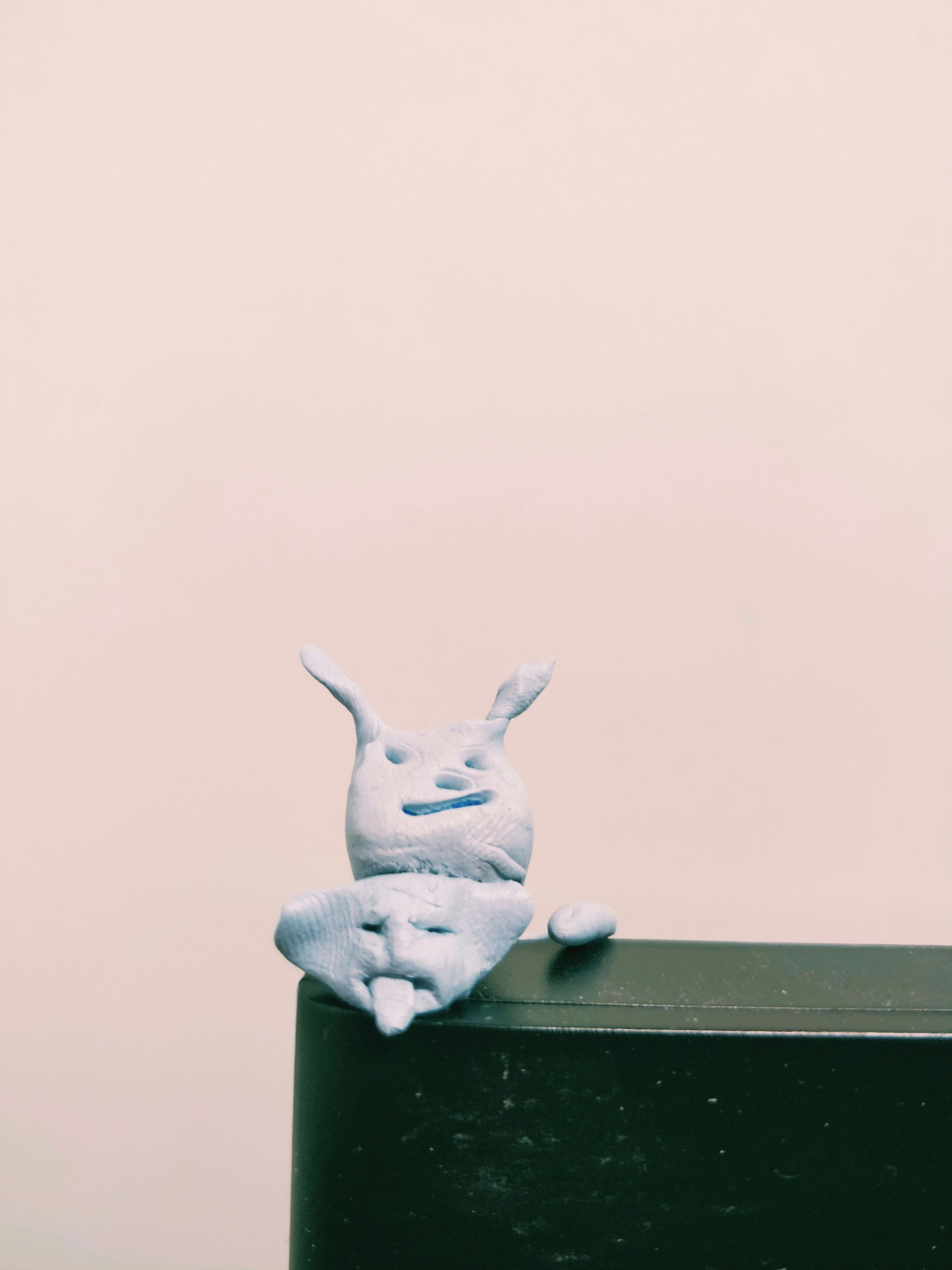
It’s like blue tack. If you pull it too far, too fast… it snaps. But if you warm it up, stretch it slowly, take your time…
It becomes flexible.
It opens up.
You can work with it.
People are no different.
What’s really being said underneath
When someone says:
“I don’t care”
It might actually be:
“Please don’t push me too fast.”
“Please don’t judge me.”
“Please don’t let me get this wrong.”
“Please show me that this is safe.”
Sometimes…
It’s a quiet way of asking:
“Does anyone actually care?”
So next time you hear it…
Pause...
Don’t jump in.
Don’t shut it down.
Just…
Acknowledge it.
Sit with it.
And stay present.
Because confidence doesn’t start with big moments.
It starts here.
In the small ones.
Where someone feels just safe enough…
to say a little bit more.
We see this every day - and we support young people to find their voice in their own way.
You can explore how we do that here
Your Journey. Your Story.

Sign Up to BHVA Insights
Catch the latest on events, offers, and fresh ideas.
All delivered to your inbox every fortnight.










Beccy Hurrell Voice & Arts Limited is registered in England. Company No: 13263202. Registered office: 10 Kirby Street, Kettering, NN15 5GR